
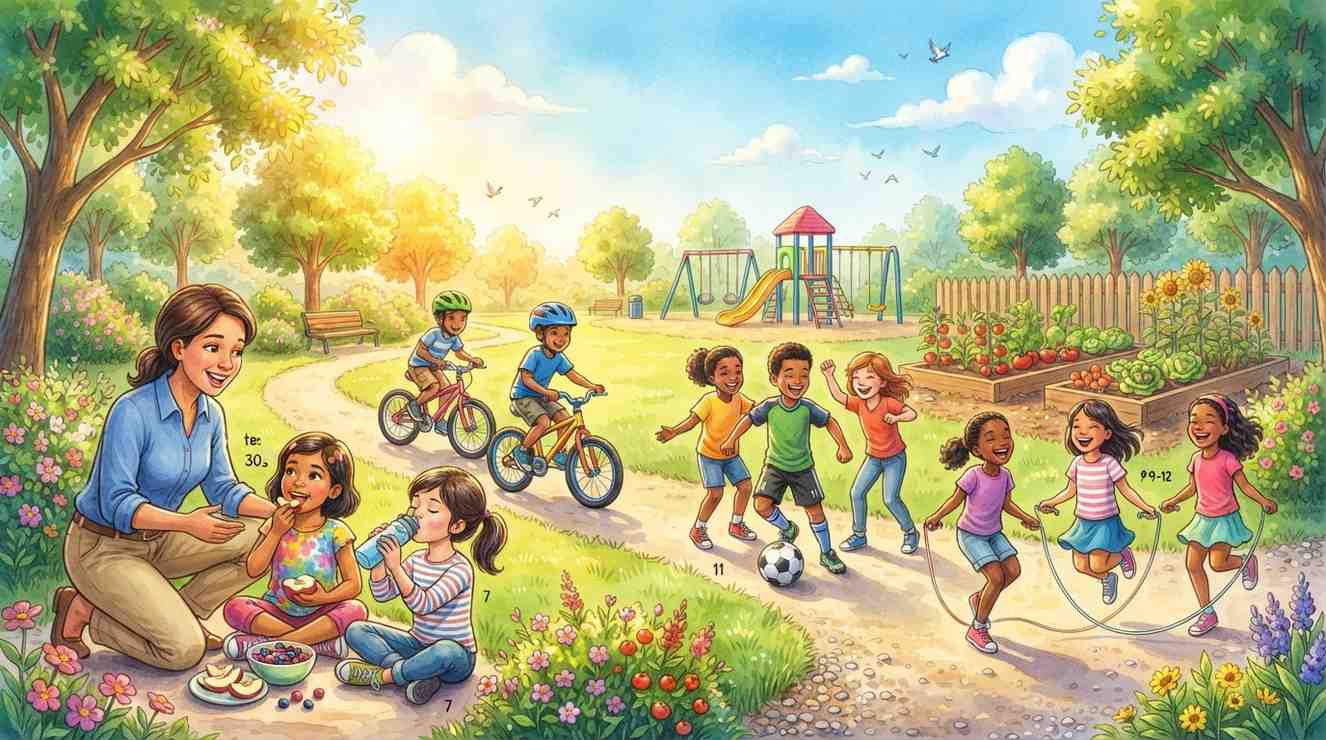
Teaching children healthy habits is one of the greatest gifts parents, caregivers, and educators can provide. The choices children make during their early years often shape the habits they carry into adulthood.
From eating nutritious meals and staying active to practicing good hygiene and getting enough rest, healthy living helps children grow physically, mentally, and emotionally. When children understand the value of taking care of themselves, they are better equipped to make positive decisions that support their overall well-being.
Learning about healthy living for kids goes beyond simply following rules. It helps children understand why certain habits matter and how those habits affect their bodies and minds. When healthy living is introduced in positive and engaging ways, children are more likely to embrace these practices as part of their daily routines.
By creating a strong foundation early in life, parents and educators can help children develop lifelong habits that contribute to happiness, confidence, and long-term health.
How Healthy Living Builds a Strong Foundation for Physical and Emotional Well-Being
Healthy living supports every aspect of a child’s development. Proper nutrition, regular physical activity, quality sleep, and emotional wellness all work together to help children thrive.
Children who practice healthy habits often experience higher energy levels, stronger immune systems, and improved emotional balance. They are better able to focus in school, participate in activities, and build positive relationships with others.
Teaching healthy living also helps children develop self-awareness. As they begin to understand how their choices affect their bodies, they gain a greater sense of responsibility for their well-being.
Understanding why is healthy living important for children helps families recognize that health is not limited to physical fitness. It also includes emotional resilience, confidence, and the ability to make positive decisions throughout life.
Why Healthy Living for Kids and Healthy Routines for Children Go Hand in Hand
Consistency plays a significant role in helping children develop healthy habits. This is why healthy living for kids is closely connected to healthy routines for children.
Daily routines provide structure and help children understand what is expected of them. Regular meal times, bedtime schedules, exercise habits, and personal care routines create a sense of stability that supports healthy development.
Healthy routines may include:
- Eating balanced meals each day
- Drinking enough water
- Participating in physical activities
- Following a consistent sleep schedule
- Practicing daily hygiene habits
Children often feel more secure when routines are predictable. Over time, these behaviors become natural parts of their everyday lives.
The benefits of health routines for kids extend beyond physical wellness. Consistent habits also help children develop discipline, responsibility, and time-management skills that support success in many areas of life.
How Nutrition and Hygiene for Kids Help Create Lifelong Wellness Habits
A strong foundation for lifelong health begins with nutrition and hygiene for kids. Teaching children how food choices and personal hygiene affect their well-being helps them make informed decisions as they grow older.
Nutritious foods provide the vitamins, minerals, and energy children need to support growth and learning. Fruits, vegetables, whole grains, lean proteins, and healthy fats all contribute to healthy development.
At the same time, hygiene habits help prevent illness and promote overall wellness. Children who learn proper hygiene practices understand how simple daily actions can make a significant difference.
These habits may include:
- Washing hands regularly
- Brushing teeth twice daily
- Bathing regularly
- Keeping personal items clean
- Covering coughs and sneezes appropriately
The importance of hygiene for children becomes especially clear when families see how proper hygiene reduces the spread of germs and supports healthier communities.
Why Healthy Choices for Kids and the Importance of Healthy Living Should Be Taught Early
Teaching healthy choices for kids at an early age helps children build confidence in making decisions that benefit their well-being. When children understand the reasons behind healthy behaviors, they are more likely to make positive choices independently.
The importance of healthy living becomes easier to understand when children learn through everyday experiences. Simple activities such as preparing healthy snacks, participating in sports, or helping plan family meals can reinforce healthy messages in meaningful ways.
Parents can support healthy decision-making by:
- Offering healthy food options
- Encouraging active play
- Limiting excessive screen time
- Modeling positive habits
- Celebrating healthy achievements
When children are empowered to make good choices, they develop a stronger sense of ownership over their health and well-being.
The Role of Education in Helping Children Understand Healthy Habits
Education plays an important role in shaping children’s understanding of health and wellness. Schools, families, and community programs all contribute to teaching children the skills they need to maintain healthy lifestyles.
Health education introduces topics such as nutrition, exercise, hygiene, mental wellness, and safety. These lessons help children understand the connection between daily habits and long-term health outcomes.
Children often learn best when information is presented in engaging and relatable ways. Interactive activities, discussions, books, and storytelling can make health education both enjoyable and memorable.
Families interested in supporting health awareness may also find value in why educational stories help children learn better, which explores how storytelling can make important lessons easier for children to understand and remember.
How Parents and Caregivers Can Encourage Positive Health Habits at Home
The home environment has a significant influence on children’s habits and behaviors. Parents and caregivers serve as role models, often shaping how children view health and wellness.
Children are more likely to adopt healthy behaviors when they see adults practicing those same habits. Small daily actions can create lasting impressions and encourage children to follow positive examples.
Parents can support healthy living by:
- Eating meals together as a family
- Encouraging outdoor play
- Establishing bedtime routines
- Limiting sugary snacks and beverages
- Promoting open conversations about health
These efforts help create a supportive environment where children feel encouraged to prioritize their well-being.
Many families also benefit from learning how children can build healthy habits for life, which provides practical ways to strengthen healthy behaviors over time.
Why Teaching Healthy Living Today Creates Healthier Adults Tomorrow
The habits children develop today often influence the choices they make throughout adulthood. Teaching healthy living early helps children establish patterns that can support lifelong wellness.
Children who understand the value of nutrition, exercise, hygiene, and self-care are more likely to continue these practices as they grow older. They learn that health is not about perfection but about making consistent choices that support well-being.
This foundation helps children navigate challenges, maintain healthy relationships, and make informed decisions throughout different stages of life.
Families exploring health education may also appreciate why clean water is important for every child, which highlights another essential component of overall wellness and healthy development.
By teaching healthy living early, parents and educators help children build the skills and knowledge needed for healthier futures.
Frequently Asked Questions
Why should healthy living be taught during childhood?
Childhood is a critical time for developing habits. Teaching healthy living early helps children establish behaviors that can support long-term wellness.
How can parents encourage healthy habits?
Parents can model healthy behaviors, create consistent routines, provide nutritious foods, encourage physical activity, and maintain open conversations about health.
What are the most important healthy habits for children?
Balanced nutrition, regular exercise, quality sleep, proper hygiene, and emotional well-being are among the most important healthy habits for children.
The Lasting Value of Teaching Children Healthy Living
Teaching children about health and wellness is an investment in their future. The habits children learn during their early years often influence their physical health, emotional well-being, and decision-making abilities throughout life.
By helping children understand nutrition, exercise, hygiene, sleep, and self-care, parents and educators provide valuable tools that support long-term success and happiness. These lessons help children develop confidence, responsibility, and a greater appreciation for their overall well-being.
The importance of healthy living for kids extends far beyond childhood. Healthy habits contribute to stronger bodies, healthier minds, improved academic performance, and better quality of life. When children understand the reasons behind healthy choices, they are more likely to continue practicing those habits as they grow.
Through positive guidance, education, and encouragement, families can help children build a strong foundation for lifelong wellness. For parents and educators seeking inspiring healthy living stories, books and educational resources can provide meaningful ways to reinforce important lessons while motivating children to make healthy choices every day.