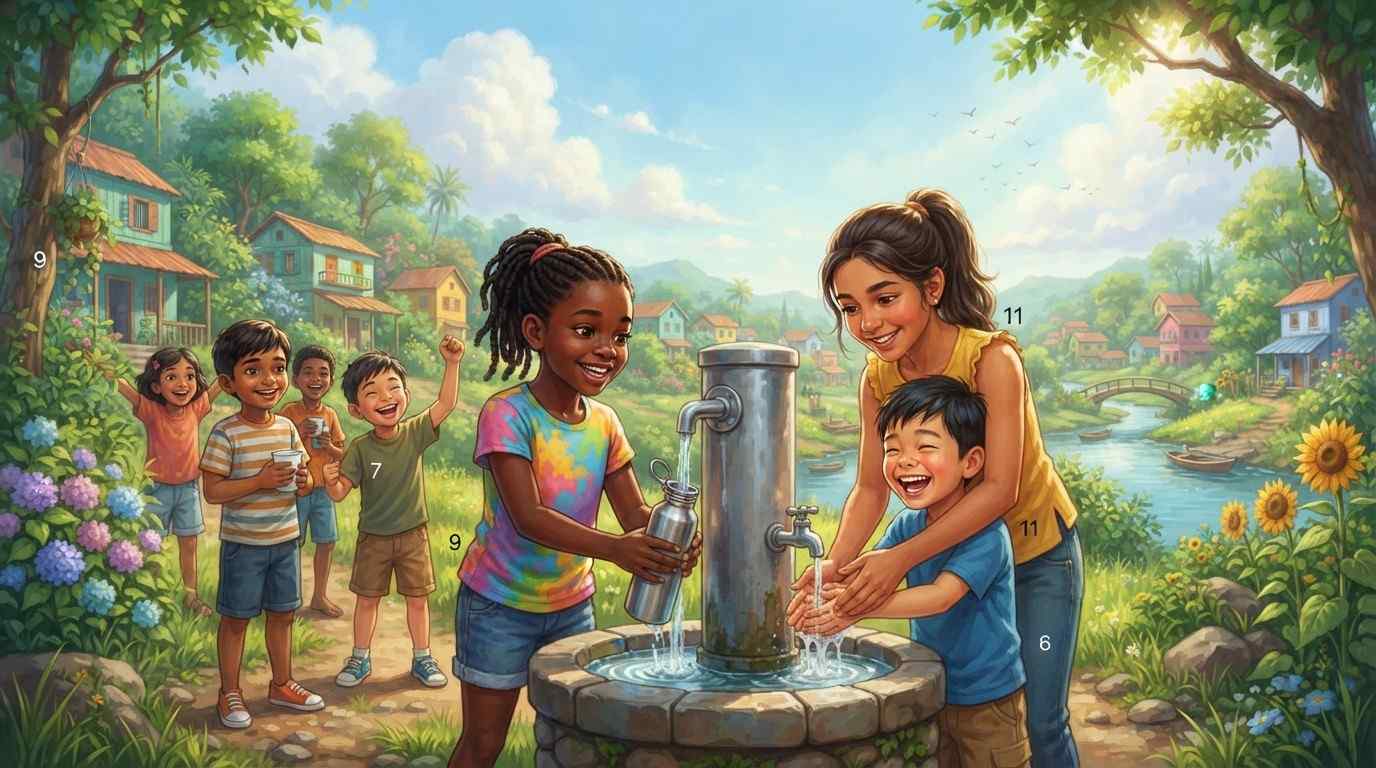
Water is one of the most essential resources for life, yet millions of children around the world still face challenges accessing clean and reliable sources of water every day. For many families, turning on a tap and filling a glass may seem routine, but clean water plays a much larger role than simply quenching thirst.
It supports healthy growth, helps children stay active, improves learning, and protects them from illnesses that can affect their development. Understanding the value of clean water helps children and families recognize how important it is to protect and conserve this vital resource.
Access to safe drinking water is one of the most important factors in a child’s overall well-being. When children have reliable access to clean water, they are better able to stay healthy, attend school regularly, and participate fully in daily activities. Water supports every part of the body, from maintaining energy levels to helping organs function properly.
Teaching children about the importance of clean water also encourages responsible habits that can positively impact communities and future generations.
How Safe Drinking Water Supports Healthy Growth and Development in Children
Children’s bodies depend on water for nearly every function. From regulating body temperature to carrying nutrients throughout the body, water is essential for healthy development. Because children are constantly growing, they require adequate hydration to support their physical and mental well-being.
When children drink clean water regularly, they are more likely to maintain healthy energy levels and concentration throughout the day. Proper hydration helps muscles function efficiently, supports digestion, and assists the body in removing waste products.
Water also plays a vital role in brain function. Even mild dehydration can affect focus, memory, and learning ability. This is why schools, parents, and healthcare professionals emphasize the importance of keeping children properly hydrated.
Understanding why is clean water important for children begins with recognizing that water is not simply a beverage choice, it is a basic necessity that directly impacts every aspect of growth and development.
The Benefits of Clean Water and Its Role in Building Stronger Communities
The benefits of clean water extend far beyond individual health. Entire communities thrive when families have access to reliable water sources. Children are able to attend school consistently, parents can focus on work and family responsibilities, and healthcare systems face fewer water-related illnesses.
Communities with access to clean water often experience:
- Improved public health
- Better school attendance
- Reduced risk of disease outbreaks
- Stronger economic opportunities
- Higher overall quality of life
Children who grow up understanding the value of clean water often become responsible stewards of environmental resources. They learn that protecting water sources benefits not only themselves but also their neighbors and future generations.
This demonstrates how clean water improves daily life, creating healthier and more productive environments for families and communities alike.
Why Clean Water Education Helps Children Make Healthy and Responsible Choices
Clean water education plays a crucial role in helping children understand where water comes from, how it is protected, and why conservation matters. When children learn about water at an early age, they are more likely to develop lifelong habits that support health and sustainability.
Educational programs often teach children about water treatment, conservation practices, and pollution prevention. These lessons help young learners connect everyday actions to larger environmental outcomes.
Children who understand the importance of clean water are often more likely to:
- Avoid wasting water
- Practice responsible hygiene habits
- Protect local water sources
- Share knowledge with family and friends
- Support environmental initiatives
Parents and educators often find that water education creates meaningful opportunities for discussions about responsibility, health, and environmental stewardship.
Families interested in promoting healthy habits may also appreciate resources related to the importance of teaching kids about healthy living, which encourages children to make informed choices that support long-term well-being.
How Children’s Health Education and Hygiene and Clean Water Work Together for Better Well-Being
Children’s health education and hygiene and clean water are closely connected. Teaching children proper hygiene practices becomes far more effective when clean water is readily available.
Simple habits such as washing hands, brushing teeth, and cleaning food properly help reduce the spread of germs and illness. These practices are especially important in schools, childcare settings, and homes where children spend most of their time.
Good hygiene supported by clean water helps prevent many common illnesses that can interfere with learning and daily activities. Children who stay healthy are more likely to participate actively in school, sports, and social events.
This connection highlights how clean water keeps kids healthy, providing a foundation for both physical wellness and disease prevention.
The Importance of Drinking Clean Water for Learning, Focus, and Academic Success
The importance of drinking clean water becomes especially clear when considering its impact on education. Healthy, hydrated children are generally better equipped to focus, retain information, and participate in classroom activities.
When children do not have access to clean water, they may experience fatigue, headaches, or difficulty concentrating. These challenges can affect academic performance and overall learning experiences.
Teachers often encourage regular water breaks because hydration supports:
- Improved concentration
- Better memory retention
- Increased alertness
- Enhanced problem-solving abilities
- Greater classroom participation
Access to clean water also reduces the likelihood of illnesses that can lead to missed school days. Consistent attendance helps children stay engaged with their studies and maintain academic progress.
Stories that teach health awareness, including why educational adventure stories inspire young readers, can also help children understand important life lessons while keeping them engaged and motivated to learn.
How Families Can Teach Children to Value and Protect Water Resources
Protecting water resources begins with awareness. Families play an important role in helping children understand that clean water is a valuable resource that should never be taken for granted.
Parents can encourage water conservation through simple daily habits such as turning off taps when not in use, reporting leaks, and using water responsibly during household activities.
Children can also learn about environmental responsibility through activities such as community cleanups, recycling efforts, and discussions about pollution prevention.
Teaching children to value water helps them understand the connection between personal choices and environmental outcomes. These lessons often foster a sense of responsibility that extends beyond water conservation into other areas of life.
Resources discussing how children can help protect clean water can provide practical examples of actions young people can take to make a positive difference in their communities.
Why Ensuring Access to Clean Water Remains One of the Most Important Goals for Children’s Futures
Access to clean water is not only a health issue; it is also a matter of opportunity. Children who have reliable access to clean water are more likely to grow up healthy, attend school consistently, and achieve their full potential.
Around the world, organizations, educators, and communities continue working to improve access to safe water because of its profound impact on children’s lives. Every improvement in water access contributes to stronger families, healthier communities, and brighter futures.
The long-term benefits of safe drinking water for kids include better health outcomes, improved educational opportunities, and greater overall quality of life. These advantages can create positive effects that extend throughout childhood and into adulthood.
By helping children understand the value of clean water today, families and educators can inspire future generations to protect this essential resource for years to come.
Frequently Asked Questions
Why do children need clean water every day?
Children need clean water to stay hydrated, support healthy growth, maintain energy levels, and help their bodies function properly.
How does clean water affect education?
Clean water helps children stay healthy, improves concentration, and reduces school absences caused by water-related illnesses.
What can families do to conserve water?
Families can conserve water by fixing leaks, turning off taps when not in use, using water efficiently, and teaching children responsible water habits.
Why Clean Water Will Always Be Essential for Every Child
Clean water remains one of the most important foundations for a healthy and successful childhood. It supports physical growth, strengthens learning, promotes good hygiene, and helps protect children from preventable illnesses.
When children have reliable access to clean water, they are better prepared to participate in school, enjoy daily activities, and develop healthy habits that can benefit them throughout their lives. The impact of clean water reaches far beyond individual households, contributing to stronger communities and brighter futures for generations to come.
The value of safe drinking water cannot be overstated. It is a resource that supports every aspect of a child’s well-being, from physical health to educational achievement. By teaching children about water conservation, responsible hygiene, and environmental stewardship, families can help create a future where clean water remains accessible for everyone.
For parents and educators seeking educational healthy living stories, books and learning resources that promote health awareness can inspire children to appreciate the essential role clean water plays in everyday life.